
NEWS
NCAA Orders Complete Switch-Off of Phones During Flights

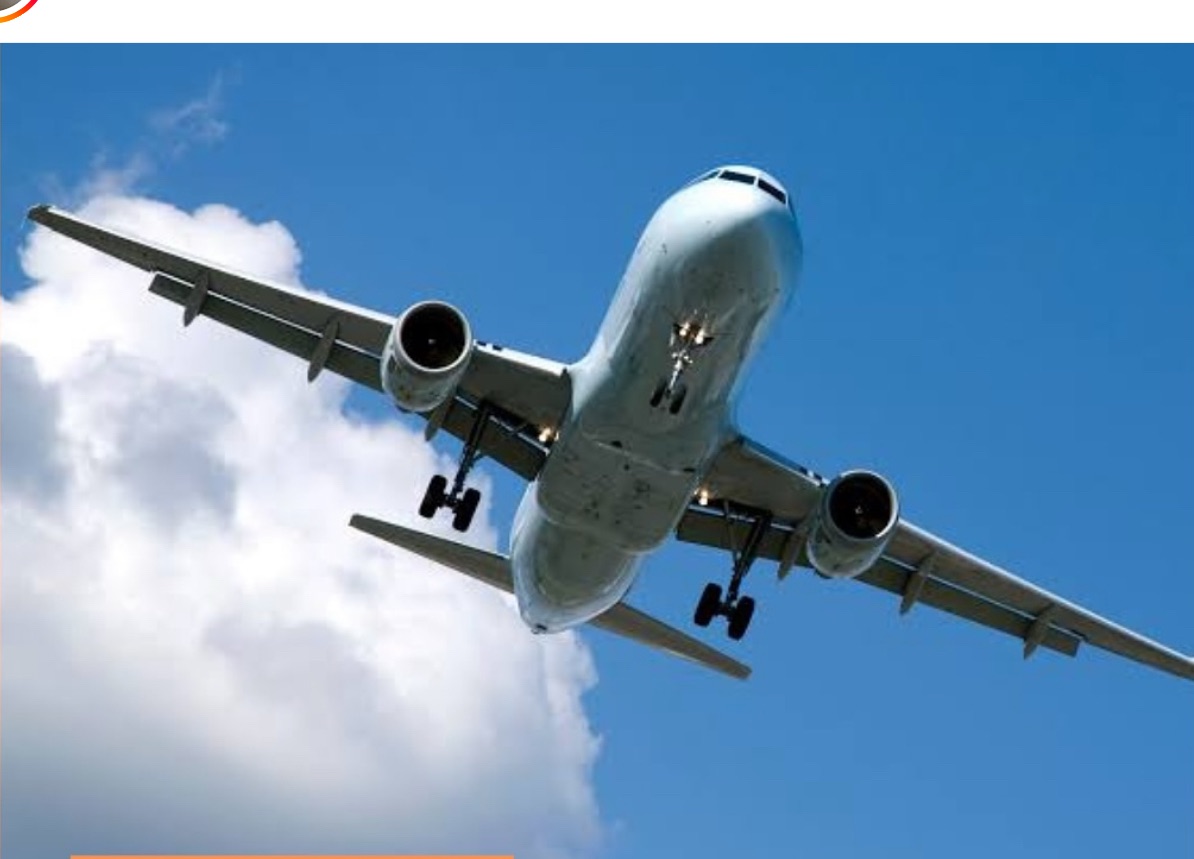
The Nigerian Civil Aviation Authority (NCAA) has directed all airline operators in the country to ensure that passengers completely switch off their mobile phones and other portable electronic devices during flights. The directive, which applies specifically to the critical phases of take-off and landing, was issued as part of renewed measures to strengthen aviation safety across Nigeria’s airspace.
The Director-General of NCAA, Capt. Chris Najomo, announced the decision on Tuesday during an emergency meeting of the National Civil Aviation Security Committee (NCASC) held in Abuja. According to him, the use of “flight mode” on mobile devices will no longer be acceptable, as passengers are now required to power off their phones completely once instructed by the cabin crew.
Najomo explained that the directive followed a series of incidents involving unruly passengers who refused to comply with crew instructions, leading to disruptions and safety concerns on domestic flights. He noted that the safety of passengers, crew, and aircraft remained paramount and could not be compromised by non-compliance with simple safety guidelines.
“All mobile phones and other portable electronic devices must be switched off completely during take-off and landing. Flight mode is no longer permitted. This is a necessary step to ensure safety in our skies and to maintain orderliness during critical phases of flight,” he stated.
The NCAA boss further disclosed that airlines have been directed to update their operations manuals to reflect the new requirement and to submit such updates for approval by the regulatory authority. This, he said, would ensure uniformity and compliance across all domestic carriers operating in the country.
Also speaking, NCAA’s Director of Public Affairs, Michael Achimugu, urged passengers to see the new directive as part of their responsibility to contribute to safe air travel. He stressed that obeying crew instructions is non-negotiable, warning that defaulters could face sanctions in line with civil aviation regulations.
“The NCAA will not tolerate disobedience of safety instructions on board aircraft. Passengers must realize that the crew are in charge of safety and their instructions must be respected at all times,” Achimugu stated.
The meeting of the National Civil Aviation Security Committee, which brought together stakeholders from aviation security agencies, also deliberated on strategies to improve enforcement, training, and inter-agency collaboration to tackle emerging threats to aviation safety in Nigeria.
The latest directive comes in the wake of heightened discussions about unruly passenger conduct in the country. One recent incident involved a domestic flight in which a passenger refused to switch off her phone, sparking confrontation with cabin crew. The NCAA has since emphasized that such behavior undermines safety and would not be tolerated.
Aviation analysts have described the move as a bold step by the NCAA to restore discipline in the industry and to ensure that international safety standards are adhered to strictly. They, however, noted that airlines would need to intensify public enlightenment to make passengers fully aware of the change, given that many travelers are used to the more lenient practice of using flight mode.
The NCAA maintained that the directive takes immediate effect, adding that monitoring and enforcement mechanisms have been put in place to ensure compliance by both airlines and passengers.
With the new regulation, passengers traveling within Nigeria are expected to fully power down their devices whenever instructed, while airlines are tasked with ensuring that crew members enforce the rule without exceptions.