
NEWS
Abia Introduces N800–N1,000 Fare as Electric Bus Scheme Goes Digital March 1

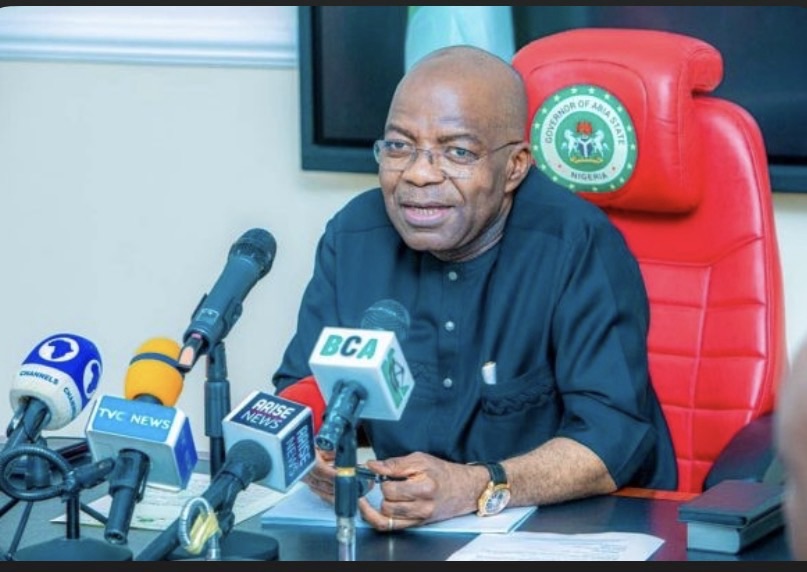
The Abia State Government has announced that subsidised fares for its Electric Bus Service will officially take effect from March 1, 2026, marking the end of the free-ride phase introduced during the scheme’s rollout in December 2025.
Governor Alex Otti made the disclosure on Friday night during the February edition of his monthly media parley, “Governor Otti Speaks,” where he outlined key policy updates and milestones recorded by his administration.
Under the new pricing structure, commuters will pay between N800 and N1,000 depending on their destination. Passengers travelling from Umuahia to Aba will be charged N800, while those heading from Umuahia to Ohafia will pay N1,000.
The Governor explained that the introduction of fares follows months of free transportation services provided to residents as part of a familiarisation programme designed to ease adoption and demonstrate the viability of the initiative.
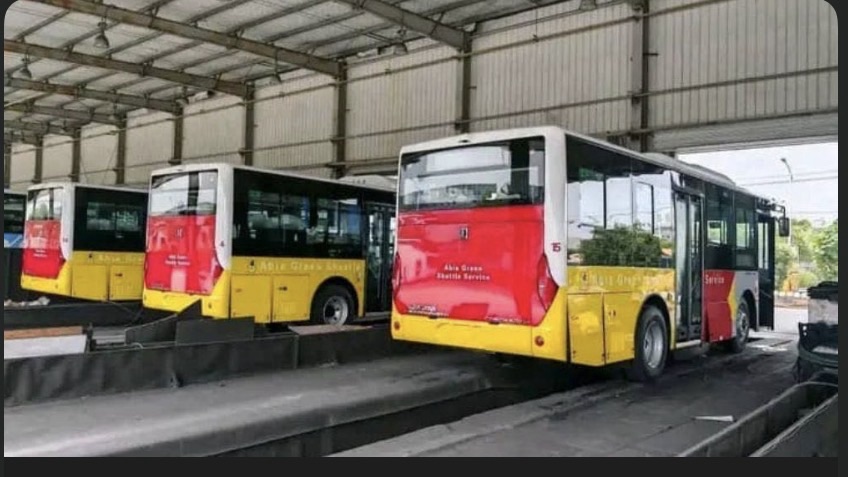
In a move aimed at enhancing transparency and accountability, the Electric Bus System will operate a fully digital payment platform. Commuters will be required to make payments using their ATM cards, eliminating cash transactions and aligning the service with modern transport standards.
According to the State Government, the initiative is designed to cushion transportation costs for residents while promoting a cleaner, more efficient, and environmentally friendly public transport system across the state.
Governor Otti also used the forum to highlight progress recorded across critical sectors including health, infrastructure, power, security, and economic development. He recalled that shortly after assuming office, his administration declared a state of emergency in strategic sectors to fast-track development, noting that significant strides have since been made.
He maintained that ongoing reforms across various sectors reflect his administration’s commitment to transforming governance, improving service delivery, and changing the development narrative of the state.