
DEVELOPMENT
Abia Govt Unveils Mini-Grid Regulation to Drive Rural Electrification and Power Reform

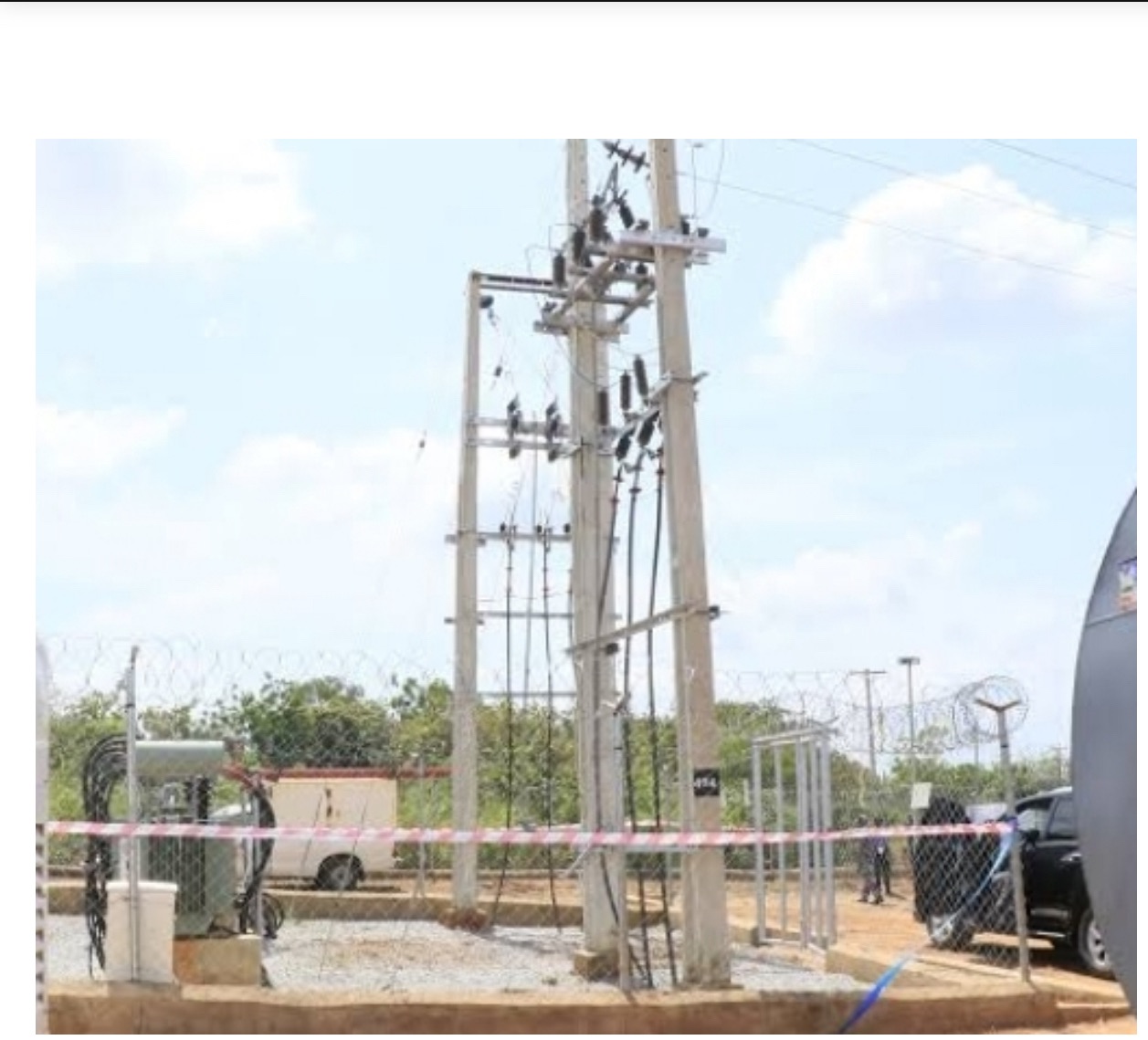
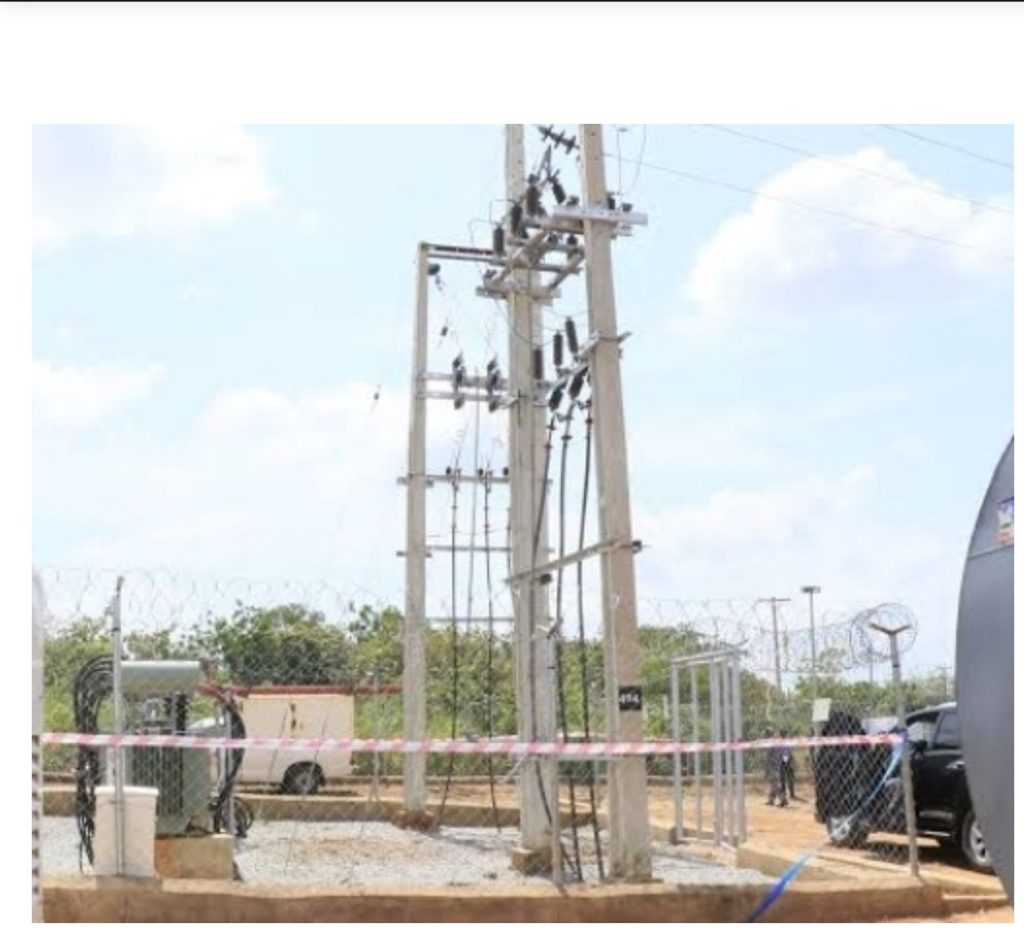
In a bold step towards bridging the energy gap and transforming rural power access, the Abia State Government has unveiled the final draft of its Mini-Grid Regulation, aimed at improving electricity supply across underserved and unserved communities.
Speaking during a press briefing after this week’s Executive Council meeting presided over by Governor Alex Otti, the Commissioner for Information, Prince Okey Kanu, described the initiative as a major stride in the state’s power sector reform agenda.
According to Prince Kanu, the Mini-Grid Regulation was developed by the Ministry of Power and Public Utilities to provide a clear legal, technical, and commercial framework that would encourage private sector participation in rural electrification efforts.
“This regulation supports the expansion of reliable, affordable, and sustainable electricity access across communities that have long been left behind. It also aligns with the Otti administration’s vision of a fully electrified Abia powered by inclusive policies and investment-friendly frameworks,” he said.
While emphasizing that the initiative is designed for statewide implementation, Prince Kanu noted that the Abia North Senatorial Zone—currently among the most underserved—stands to benefit significantly from the rollout.
“Although this is a statewide programme, Abia North appears to be the most underserved and will therefore benefit immensely. That said, no zone will be left out once full implementation begins,” he added.
To further strengthen the regulatory environment, Prince Kanu announced that a 10-member Abia State Advisory Council on Electricity will be inaugurated on Thursday, July 24, 2025. The council will offer professional advice to the Governor on electricity-related matters and help shape the state’s power roadmap.
Meanwhile, in a complementary effort to boost access to basic services, Prince Kanu also revealed that the Okwoyi Water Scheme in Isieke, Ibeku will be commissioned on Wednesday, July 23, 2025, as part of the government’s ongoing commitment to provide clean water to every household.
Additionally, a 1,000kVA transformer has been donated to the Niger Street/Methodist axis through the Ikwuleghe/CPS community in Umuahia, reflecting the administration’s broader objective of improving electricity distribution across Abia.
Also speaking at the briefing, the Commissioner for Power and Public Utilities, Mr. Ikechukwu Monday, clarified that the mini-grid regulation is separate from the state’s current negotiations with the Enugu Electricity Distribution Company (EEDC). He explained that mini-grids are primarily targeted at off-grid and underserved areas.
“This regulatory framework is designed to encourage private investors to work in partnership with local communities to set up mini-grids where traditional power supply has failed,” he said.
Mr. Monday explained that the first phase of the initiative includes mapping the state, identifying areas with little or no electricity, and conducting feasibility studies to support informed infrastructure development. He stressed that government alone cannot provide electricity to every corner of the state, highlighting the need for private sector collaboration.
“Nigeria’s main power problem isn’t generation—it’s poor transmission and distribution. That’s where mini-grids come in. They offer a complete, localized solution with independent infrastructure,” he noted.
He also pointed out the potential for interconnected mini-grids to supply excess power to the national grid if properly regulated in partnership with existing utility providers like EEDC.
Adding his voice, Chief Press Secretary to the Governor, Mr. Ukoha Njoku Ukoha, emphasized the importance of long-term energy demand forecasting and sustainable planning.
“Our electricity crisis in Nigeria stems from years of neglect—failing to grow infrastructure alongside population and industrial expansion. We must now build with foresight, ensuring that energy capacity stays ahead of demand,” he said.
As Abia charts a new course in power sector development, the government is calling for public participation and investor interest to ensure that the mini-grid regulation delivers meaningful, inclusive, and lasting impact across the state.